
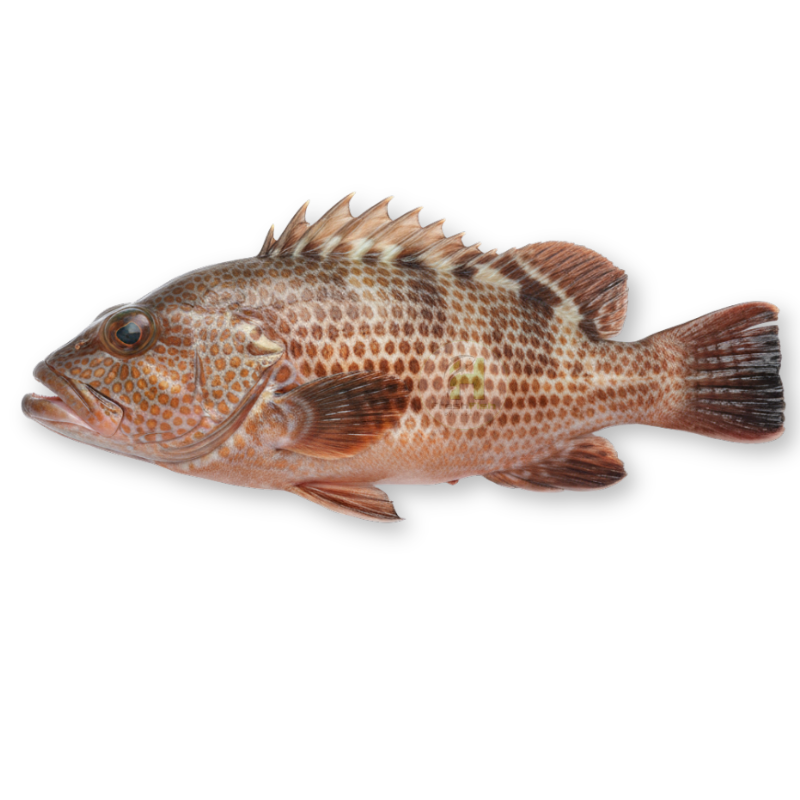
Grouper (Ghissar)
₨ 1,570
Grouper, also known locally as Ghissar or Hamour, is a prized fish with a mild and delicate flavor that is favored for various culinary dishes. This fish is popular in both local and international cuisines, especially in the Gulf and Middle Eastern regions.
Please Note: We always aim to deliver the freshest seafish available. However, due to market conditions, there may be times when certain varieties are unavailable. If this happens, we will promptly inform you and offer suitable alternatives or arrange a new delivery time that works for you.
Please Note: The price of seafish is based on its weight before any cleaning or cutting. The final delivered weight may be slightly less than the initial weight due to cleaning and cutting processes, as certain cuts may result in more wastage than others.
Introduction
Grouper—locally Ghissar or Hamour (Epinephelus spp.)—is among the most prized catches of the Arabian Sea, highly sought in Gulf and Middle Eastern cuisine for its mild, sweet-flavored, firm white flesh. At GwadarSeafood, we source Ghissar responsibly from Pakistan’s Balochistan and Sindh depths (30–105 m)—handling and processing it the same day to ensure peak freshness. Whether you prefer grilled fillets, delicate curries, or clean steaks, Ghissar delivers refined texture and coastal authenticity in every dish.
Biology & Habitat
Groupers belong to the genus Epinephelus, with at least 47 species recorded from Pakistani waters including spinycheek, Malabar, orange-spotted, striped, and small-scaled groupers. These robust predators thrive in reef and rocky seabed habitats, typically between 30 to 105 m depth۔ As top predators, groupers feed on crustaceans, octopus, and smaller fish, playing a key ecological role in the marine food web
Reproduction & Conservation
Many grouper species—such as Ghissar—are protogynous hermaphrodites, starting life as females and switching to males as they grow. This makes large adult specimens essential for sustaining population balance. Though specific IUCN status for Pakistani Ghissar species is not universally determined, several grouper varieties are listed as Near Threatened due to overfishing and habitat degradation
Names & Taxonomy
| Category | Name |
|---|---|
| Common Name | Grouper |
| Local Names | Ghissar, Hamour |
| Scientific Genus | Epinephelus |
| Family | Epinephelidae |
| Order | Perciformes |
| Class | Actinopterygii |
| Phylum | Chordata |
| French Name | Mérou nègre |
| German Name | Zackenbarsch |
| Italian Name | Cernia |
| Japanese Name | Hata |
| Spanish Name | Mero, Garoupa |
you can also check its detail on seafoodsource
Sourcing & Catching Methods
-
Source regions: Benthic zones of Arabian Sea near Karachi, Gwadar, and Makran coast
-
Typical gear: Bottom-set gillnets, hand lines, trawls and longlines used responsibly
-
Handling: Processed same-day onshore, kept chilled under 4 °C, vacuum-sealed upon request
-
Market status: Export-quality fish, popular in Gulf markets and upscale Pakistani consumer segments
Physical Traits, Texture & Size
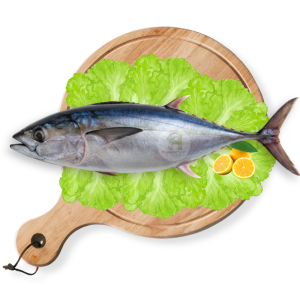
Robust body shape, large mouth and lips—a predator that preys on trapped fish and crustaceans. Grouper typically grows between 40 cm to over 1 m depending on species. Medium-size (~1 kg) specimens yield firm, mild white meat with clean flavor and minimal fishiness. The skin is smooth and the flesh flakes neatly under gentle heat.
Cutting Yields
| Cut Type | Yield % | Ideal For |
|---|---|---|
| Whole (cleaned) | ~100% | Roasting, curry bakes |
| Gutted only | ~85–90% | Curry-style preparations |
| Boneless fillets | ~45–55% | Grilling, pan-sear, steaks |
| Bone-in steaks | ~70% | Curry, baking with bone flavor |
Cooking Inspirations
-
Grilled fillets with lemon, garlic, and olive oil—clean and flavorful
-
Classic tomato-ginger curry with bone-in steaks for gentle complexity
-
Salt & pepper cubes, stir-fried with garlic and bell pepper for light lunch
-
Clear broth soup with chunks of boneless Ghissar and seasonal greens
Freshness Checklist
-
Eyes: clear and glossy
-
Skin: intact, slightly moist, clingy scales
-
Flesh: firm and elastic
-
Smell: subtle sea breeze—not fishy or pungent
Storage Guidelines
-
Refrigerate at ≤ 4 °C; consume within 1–2 days
-
Freeze airtight up to 4 weeks—fillet or steak portions last best
-
Avoid refreezing after thawing to preserve texture and flavor
Who Should Try Ghissar?
-
Anyone preferring mild fish without strong aroma
-
Home cooks looking for lean, elegant protein
-
Health-conscious families seeking low-fat, high-protein meals
-
Elders or young children who benefit from easy-to-chew, tasty fish
Nutrition Snapshot (cooked, per 100 g)
| Nutrient | Approx. Value |
|---|---|
| Calories | ~118 kcal |
| Protein | ~24.8 g |
| Fat | ~1.3 g |
| Potassium | ~475 mg |
| Iron | ~1.1 mg |
| Selenium | ~47 µg |
| Magnesium, Zinc | Moderate levels |
| Cutting Options | Bite-Sized Boneless Finger Pieces, Boneless Biscuits, Boneless Fillet (2 fillet per fish), Butterfly Cut (best for grill), Custom Cutting (Contact Us), Headless & Gutted, Sliced with Skin & Center Bone, Whole & Gutted, Whole & Uncleaned |
|---|
Related products
-
Sea Water Fish
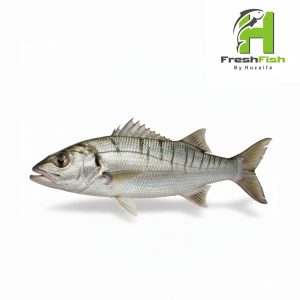
Javelin Grunter (Dhotar)
₨ 1,490 Select options This product has multiple variants. The options may be chosen on the product page -
Sea Water Fish
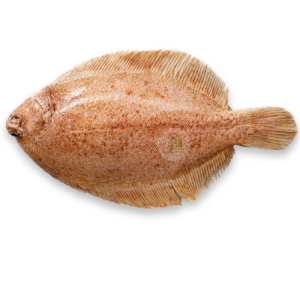
Lemon Sole (Sole)
₨ 880 Select options This product has multiple variants. The options may be chosen on the product page -
Sea Water Fish
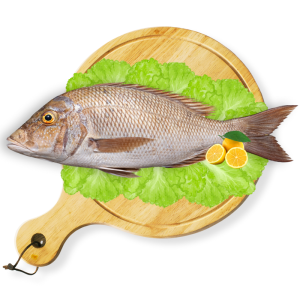
Emperor Fish (Mulla)
₨ 1,290 Select options This product has multiple variants. The options may be chosen on the product page -
Sea Water Fish
Tuna (Dawan)
₨ 890 Select options This product has multiple variants. The options may be chosen on the product page
Reviews
There are no reviews yet.