
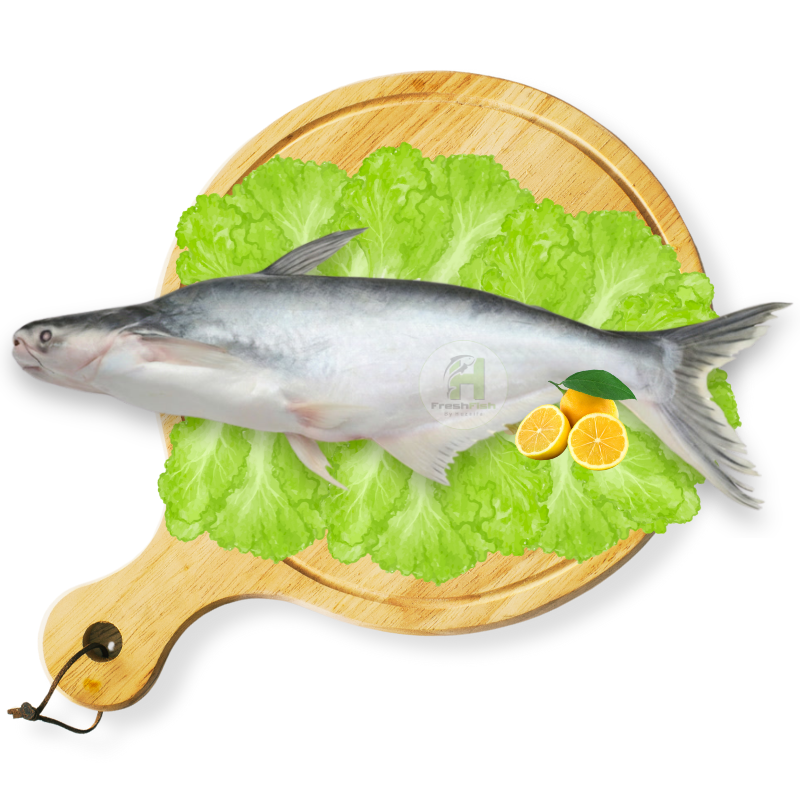
Catfish (Khagga)
₨ 670
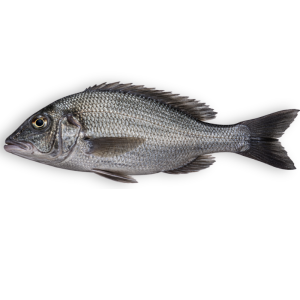
Catfish (Khagga) is a fatty, ray-finned fish known for its signature whisker-like barbels. Found abundantly in the Arabian Sea, it is popular among roadside vendors for its economical boneless options, such as fillets and fingers. It has a sweet, mild flavor with firm, moist flesh and minimal flaking. Catfish is heart-friendly, improves bone strength, and supports healthy skin and hair.
- Please Note: We always aim to deliver the freshest seafish available. However, due to market conditions, there may be times when certain varieties are unavailable. If this happens, we will promptly inform you and offer suitable alternatives or arrange a new delivery time that works for you.
- Please Note: The price of seafish is based on its weight before any cleaning or cutting. The final delivered weight may be slightly less than the initial weight due to cleaning and cutting processes, as certain cuts may result in more wastage than others.
Introduction
The Sea Catfish, scientifically known as Netuma thalassina, is a bottom-dwelling fish commonly found in the coastal waters of the Arabian Sea. Often referred to as Khagga or Singhara in Pakistan, this fish is distinguished by its long barbels, which resemble a cat’s whiskers. It plays a crucial role in marine ecosystems, feeding on small crustaceans, mollusks, and smaller fish. While the Khagga is a delicacy in many seafood dishes due to its firm, slightly fibrous flesh and mild flavor, it comes with a unique challenge — its bones.
Unlike many other fish, Sea Catfish bones are highly pronounced and resemble saw teeth, which can be difficult to remove once embedded in the flesh. If a bone gets stuck in a person’s hand, it cannot be simply stretched out; the area must be cut to remove it. The sharpness and toughness of these bones require careful handling when preparing the fish, making it important to pay attention while eating.
Ecological Role in the Ocean
Sea Catfish, being a bottom-dwelling species, plays a significant role in the health of coastal ecosystems. They contribute to the balance of marine habitats by controlling populations of small benthic organisms, including mollusks and crustaceans. Their feeding behavior also helps to prevent overgrowth in estuarine areas, which is vital for the maintenance of biodiversity.
As predators, Sea Catfish are an important food source for larger marine creatures, which helps maintain the food chain. This role makes them an essential part of their ecosystem, supporting both their survival and the health of other marine life.
Habitat, Behavior & Diet
-
Habitat: Sea Catfish thrive in the muddy and sandy seabeds of estuaries, rivers, and coastal waters. They can be found at depths ranging from 10 to 195 meters in regions such as the Arabian Sea along the coasts of Sindh and Balochistan in Pakistan. They are adaptable to varying conditions and can be found in brackish waters as well as deeper offshore areas.
-
Behavior: These catfish are nocturnal and solitary. They tend to burrow into the substrate during the day, hiding from predators. At night, they emerge to feed, using their sensitive barbels to detect prey in dark, murky waters.
-
Diet: Sea Catfish are opportunistic feeders, preying on small fish, crustaceans, and mollusks. Their carnivorous diet contributes to their firm, fibrous flesh and their strong, robust body, which allows them to thrive in challenging environments.
Reproduction & Conservation
-
Spawning: Sea Catfish typically spawn in warmer months, between April and August. Spawning is external, and females release thousands of eggs into the water, which are then fertilized by the males. The species’ ability to reproduce in large numbers contributes to its stable population.
-
Conservation Status: Khagga is listed as “Least Concern” by the IUCN, indicating that the species is not currently at risk of extinction. However, sustainable fishing practices are essential to avoid overfishing and maintain population stability.
Physical Traits & Texture
-
Shape: The Sea Catfish has a broad, flattened head and an elongated body with barbels on either side of the face, which are used to detect food. These barbels resemble the whiskers of a cat, which is why the fish is named “Catfish.”
-
Flesh: The flesh of Sea Catfish is firm, moist, and slightly fibrous, offering a unique texture that holds up well during cooking. It is known for its mild flavor, which makes it a versatile ingredient in various dishes.
-
Skin: The skin of the Sea Catfish is smooth and dark, often removed during processing. The flesh is typically a pale white when cooked, with a clean, oceanic flavor.
-
Bones: The bones of Sea Catfish are notably tough and saw-like in shape. They are not easily removed, and if a bone gets stuck in a person’s hand, it cannot be simply stretched out. The area must be carefully cut to extract the bone. The tough, serrated bones make it challenging to prepare the fish without attention to detail. Due to their tough nature, it is important to handle the fish carefully when preparing it, ensuring the bones are properly removed before cooking.
Size Options
-
Small: 200–500g (ideal for grilling or pan-searing).
-
Medium: 500g–1kg (suitable for curries or baking).
-
Large: 1kg+ (perfect for whole roasting or family-sized servings).
Cutting Options & Approximate Yields
| Cut Style | Approx. Yield | Ideal Use |
|---|---|---|
| Whole (uncleaned) | 100% | Whole roasting or grilling |
| Gutted | 85% | Steaks or fillets |
| Headless & Gutted | 75% | Slices or fillets |
| Boneless Fillets | 45% | Grilling, pan-searing, or baking |
Cooking Ideas – Light, Healthy & Flavorful
-
Grilled Khagga Steaks: Marinate with olive oil, lemon juice, garlic, and herbs. Grill over medium heat for 4–5 minutes per side to get a golden finish.
-
Baked Khagga with Asparagus: Place Khagga fillets on a baking sheet with asparagus spears. Drizzle with olive oil, season with salt and pepper, and bake at 180°C (350°F) for 15–20 minutes.
-
Khagga Fish Tacos: Season grilled Khagga with taco spices, flake the fish, and serve in soft tortillas with slaw and salsa for a tasty, light dish.
-
Pan-Seared Khagga with Garlic Butter: Sear Khagga fillets in a hot pan with butter and garlic until golden brown and cooked through.
Tips for Selecting Fresh Khagga
-
Eyes: Clear and bright, not cloudy.
-
Flesh: Firm and slightly elastic to the touch, not mushy.
-
Smell: Fresh, ocean-like scent; avoid fishy or sour odors.
-
Skin: Smooth and shiny, with no discoloration or dryness.
Storage Tips
-
Refrigeration: Keep at temperatures below 4°C (40°F) and consume within 1–2 days.
-
Freezing: Store in airtight packaging for up to 3 months.
-
Thawing: Thaw in the refrigerator overnight; avoid thawing at room temperature.
Nutrition Highlights (Approx. per 100g, raw)
| Nutrient | Amount |
|---|---|
| Calories | 144 kcal |
| Protein | 18.1 g |
| Fat | 7.2 g |
| Omega-3 | 348 mg |
| Calcium | 26.3 mg |
| Iron | 0.78 mg |
| Selenium | 46.2 µg |
| Vitamin A | 6.46 µg |
| Zinc | 0.682 mg |
Source: FishBase
Key Nutritional Insights
-
High-Quality Protein: Provides 18.1 grams per 100 grams, supporting muscle repair and immune function.
-
Healthy Fats: Contains 7.2 grams of fat, including beneficial omega-3 fatty acids (348 mg), which contribute to heart health.
-
Mineral Content: Offers essential minerals such as calcium (26.3 mg), iron (0.78 mg), and zinc (0.682 mg), important for bone health, oxygen transport, and immune function, respectively.
-
Vitamins: Provides vitamin A (6.46 µg), supporting vision and skin health.
| Cutting Options | Bite-Sized Boneless Finger Pieces, Boneless Biscuits, Boneless Fillet (2 fillet per fish), Butterfly Cut (best for grill), Custom Cutting (Contact Us), Headless & Gutted, Sliced with Skin & Center Bone, Whole & Gutted, Whole & Uncleaned |
|---|
Related products
-
Sea Water Fish
Indian Salmon (Rawas)
₨ 1,520 Select options This product has multiple variants. The options may be chosen on the product page -
Sea Water Fish
Lady Fish
₨ 1,290 Select options This product has multiple variants. The options may be chosen on the product page -
Sea Water Fish
White Pomfret (Safaid Paplet)
Price range: ₨ 1,990 through ₨ 4,490 Select options This product has multiple variants. The options may be chosen on the product page -
Sea Water Fish
Goldsilk Bream (Kala Dandia)
₨ 890 Select options This product has multiple variants. The options may be chosen on the product page
Reviews
There are no reviews yet.