
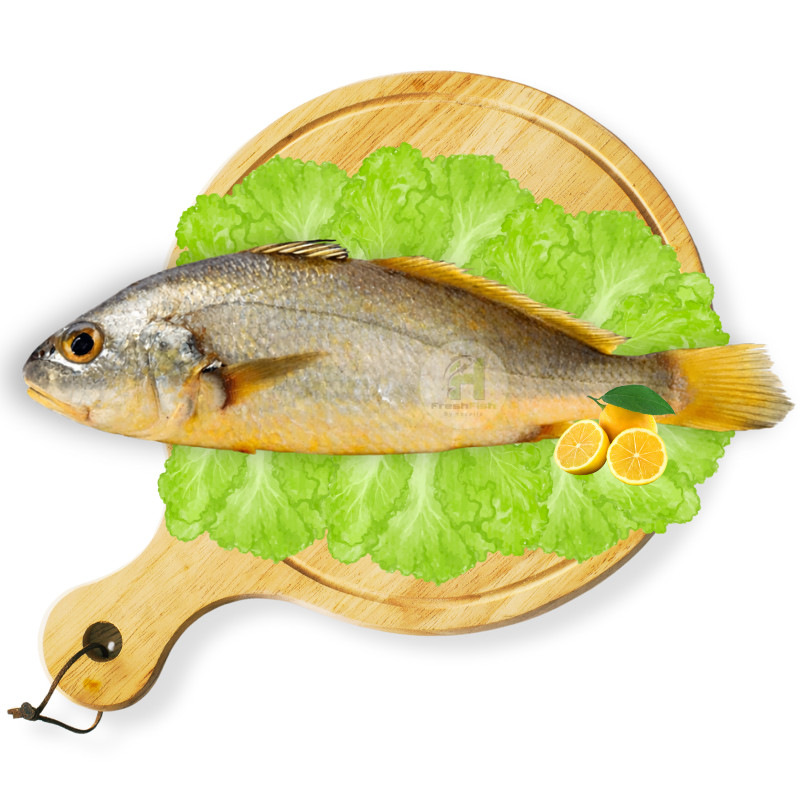
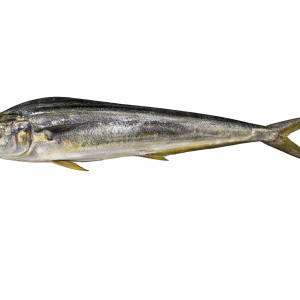
Bengal Corvina (Goli Mushka)
₨ 1,390
The Bengal Corvina, locally known as Goli Mushka, is a prized fish found in Pakistan’s coastal waters. Its firm texture and rich flavor make it ideal for a variety of cooking styles, including grilling, frying, and curries. Known for its nutritional benefits,
- Please Note: We always aim to deliver the freshest seafish available. However, due to market conditions, there may be times when certain varieties are unavailable. If this happens, we will promptly inform you and offer suitable alternatives or arrange a new delivery time that works for you.
- Please Note: The price of seafish is based on its weight before any cleaning or cutting. The final delivered weight may be slightly less than the initial weight due to cleaning and cutting processes, as certain cuts may result in more wastage than others.
Introduction
Bengal Corvina, locally known as Goli Mushka, is a prized fish renowned for its mild flavor, firm texture, and its ability to absorb spices and flavors, making it a favorite in South Asian and coastal cuisines. But what makes Goli Mushka even more special is the presence of the swim bladder (phota), commonly known as fish maw, is a highly prized delicacy in East Asian cuisine, particularly in Chinese culinary traditions. This organ, which helps fish maintain buoyancy in water, has become a sought-after ingredient due to its unique texture, nutritional value, and cultural significance.
What Is Fish Maw?
Fish maw is the dried swim bladder of certain fish species. The swim bladder is a gas-filled organ that enables fish to control their buoyancy, allowing them to ascend or descend in the water column without expending energy. In culinary contexts, fish maw is valued for its gelatinous texture and ability to absorb the flavors of the dishes.
Why Is It Expensive?
Several factors contribute to the high cost of fish maw:
-
Culinary Value: Fish maw is considered one of the “four treasures” of Chinese cuisine, alongside abalone, sea cucumber, and shark fin. It’s often featured in luxurious dishes like soups and stews, especially during festive occasions.
-
Texture and Nutritional Benefits: The organ is rich in collagen, which is believed to have various health benefits, including promoting skin elasticity and joint health. This collagen content enhances the texture of dishes, making them more desirable.
-
Rarity and Sourcing: Fish maw is typically harvested from large fish species like croakers and sturgeons. The process of extracting and drying the swim bladder is labor-intensive, adding to its rarity and cost.
-
Market Demand: In regions like China and Southeast Asia, fish maw is considered a status symbol and is often given as a gift during important events, further driving up its value.
Legal and Ethical Considerations
The high demand for fish maw has led to overfishing and illegal trade, particularly concerning species like the totoaba. The swim bladder of the totoaba has been sold for exorbitant prices, sometimes exceeding $10,000 per kilogram. This illegal trade has had devastating effects on marine ecosystems, notably threatening the critically endangered vaquita porpoise, which becomes entangled in gillnets intended for totoaba fishing .
Conclusion
Fish maw’s status as a luxury ingredient is the result of its unique culinary properties, cultural significance, and the complexities surrounding its sourcing. While it remains a symbol of prestige in many cultures, it’s essential to be aware of the ethical and environmental implications associated with its trade.
Deep Dive: Habitat, Behavior & Diet
Bengal Corvina (Goli Mushka) is a saltwater fish that thrives in shallow coastal waters of the Arabian Sea, particularly along the coasts of Sindh and Balochistan. Known for its robust nature, this fish thrives in estuaries, river mouths, and sandy or muddy bottoms.
-
Habitat: Shallow coastal zones, estuaries, river mouths, and muddy or sandy bottoms
-
Feeding: Feeds on small fish, crustaceans, and plankton
-
Schooling: Typically found in schools, although it can also be solitary at times
-
Migration: Moves with seasonal shifts, mostly for breeding and feeding
Concise Addition: Reproduction & Conservation
-
Spawning Season: Goli Mushka spawns during the monsoon season, primarily from June to September.
-
Fecundity: Females can produce up to 500,000 eggs per spawning cycle.
-
IUCN Status: Least Concern—Goli Mushka’s population is stable, though sustainable fishing practices are encouraged to ensure long-term availability.
Why Bengal Corvina (Goli Mushka) Is Worth a Try
-
Mild, delicate flavor that appeals to a wide range of palates, making it perfect for people who prefer lighter-tasting seafood.
-
Firm, flaky texture that holds up well to grilling, frying, and simmering in curries.
-
Naturally rich in protein and omega-3 fatty acids—excellent for anyone looking for a healthy, lean source of animal protein.
-
High culinary value: Not just for its meat, but also its swim bladder (phota), which is a luxury ingredient used in many Asian cuisines, significantly increasing its price.
Names & Taxonomy
| Field | Value |
|---|---|
| Common Name | Bengal Corvina |
| Local Name | Goli Mushka |
| Scientific Name | Argyrosomus regius |
| Family | Sciaenidae |
| Order | Perciformes |
| Class | Actinopterygii |
| Phylum | Chordata |
Sourcing & Catching Method
Sourced From: Wild-caught in the Arabian Sea, off the coasts of Sindh and Balochistan
Fishing Method: Caught using surface gillnets and purse seines, ensuring minimal bycatch and preserving the fish’s natural quality
Processing: Same-day cleaning, with zero chemical dips or freezing at sea
Season: Available year-round, but especially abundant from June to September during the monsoon season
🐟 Physical Traits & Texture
-
Shape: Oval, with a streamlined body designed for efficient swimming
-
Skin: Shiny and silvery, sometimes with a slight yellowish tint on the tail
-
Flesh: White, firm, and flaky with a mild oceanic flavor that holds well in various cooking methods
-
Bone Structure: Small, manageable bones, especially when sliced into fillets or steaks
-
Swim Bladder: Collagen-rich, gelatinous texture, highly prized in the Asian market for soups and broths
⚖️ Size Options
-
Small: 200g – 500g (perfect for grilling, frying, or curries)
-
Medium: 500g – 1kg (best for grilling or tawa frying)
-
Large: 1kg+ (best for whole-roasting or stuffed dishes)
🔪 Cutting Options & Approximate Yields
| Cut Style | Yield | Ideal Use |
|---|---|---|
| Whole (cleaned) | ~100% | Grilling, roasting, full fry |
| Gutted only | ~85% | Curries, masala fry |
| Headless & Gutted | ~70% | Fry prep, BBQ |
| Sliced (bone-in) | ~65% | Tawa fry, pan-sear, masala dishes |
| Boneless Fillets | ~35% | For fish cakes, cutlets, grilling |
🍛 Cooking Ideas – Versatile, Rich & Flavorful
-
Karachi-style Goli Mushka Fry: Marinate with red chili, garlic, and lemon juice, shallow fry until crispy.
-
Goli Mushka Masala Curry: Simmer in a rich tomato-onion gravy with garam masala and cilantro.
-
Tandoori Goli Mushka: Marinate with yogurt, cumin, and paprika, then grill to perfection.
-
Grilled Whole Fish: With a cumin-coriander paste for a smoky, flavorful crust.
-
Bengali Mustard Curry: Mustard paste and kalonji give a spicy, tangy curry.
🐟 Tips for Selecting Fresh Goli Mushka
-
Eyes: Clear and bright, with no cloudiness
-
Skin: Shiny, intact, and silver
-
Flesh: Firm and bouncy when pressed
-
Smell: Fresh, ocean-like scent, no pungent fishy odor
🧊 Storage Tips
-
Refrigeration: Store below 4°C and consume within 2 days
-
Freezing: Store in airtight containers for up to 1 month
-
Marinated Storage: Freeze raw marinated slices and cook directly from the freezer
Nutrition Highlights (Approx. per 100g, steamed or grilled)
-
Calories: ~145 kcal
-
Protein: ~20g
-
Fat: ~6g (rich in omega-3)
-
Iron: ~1.5mg
-
Vitamin B12: ~2.8µg
-
Omega-3: ~0.5g
| Cutting Options | Butterfly Cut (best for grill), Custom Cutting (Contact Us), Headless & Gutted, Sliced with Skin & Center Bone, Whole & Gutted, Whole & Uncleaned |
|---|
Related products
-
Sea Water Fish
Grouper (Ghissar)
₨ 1,570 Select options This product has multiple variants. The options may be chosen on the product page -
Sea Water Fish
Tuna (Dawan)
₨ 890 Select options This product has multiple variants. The options may be chosen on the product page -
Sea Water Fish
Indian Salmon (Rawas)
₨ 1,520 Select options This product has multiple variants. The options may be chosen on the product page -
Sea Water Fish
Mahi Mahi (Amloshk)
₨ 890 Select options This product has multiple variants. The options may be chosen on the product page
Reviews
There are no reviews yet.