
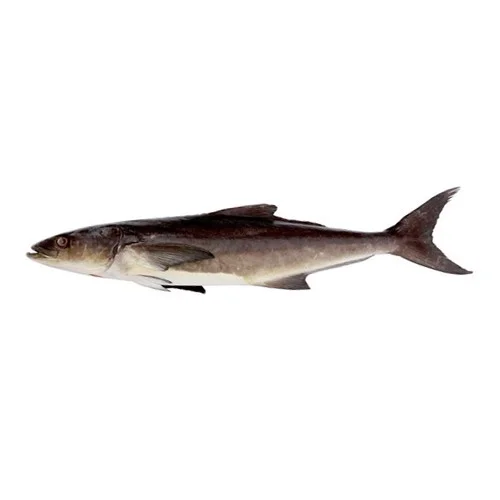
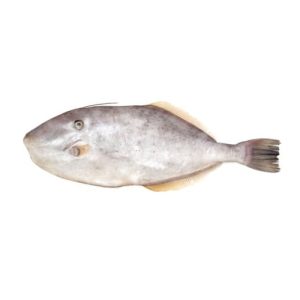
Cobia Fish (Sangra)
₨ 1,290
Cobia Fish, locally known as Sangra, is a premium white fish known for its firm texture and mild, buttery flavor. It’s a nutritional powerhouse, naturally high in protein and Omega-3 fatty acids, making it a healthy choice for seafood lovers.
- Please Note: We always aim to deliver the freshest seafish available. However, due to market conditions, there may be times when certain varieties are unavailable. If this happens, we will promptly inform you and offer suitable alternatives or arrange a new delivery time that works for you.
- Please Note: The price of seafish is based on its weight before any cleaning or cutting. The final delivered weight may be slightly less than the initial weight due to cleaning and cutting processes, as certain cuts may result in more wastage than others.
Introduction
The Cobia Fish, scientifically known as Rachycentron canadum, is a distinguished species renowned for its exceptional taste and texture. Often referred to as “black kingfish” or “lemonfish,” cobia is the sole member of its genus, making it a unique and prized catch in the culinary world. Native to the warm-temperate and tropical waters of the Atlantic and Indo-Pacific Oceans, cobia has gained popularity in various regions, including Pakistan, for its versatility and rich flavor profile.
Deep Dive: Habitat, Behavior & Diet
-
Habitat: Cobia are typically found in coastal waters, including estuaries, nearshore reefs, and offshore structures at depths ranging from 10 to 75 meters. They are pelagic fish but often congregate around buoys, wrecks, and other submerged structures. In Pakistan, they are commonly found in the Arabian Sea.
-
Diet: This species is carnivorous, primarily feeding on mollusks, echinoderms, crustaceans, and polychaetes. Their diet includes species such as mullet, menhaden, and various crustaceans. Their feeding habits contribute to their firm and flavorful flesh.
-
Behavior: Cobia are typically solitary or found in small groups. They are diurnal and exhibit strong territorial instincts. Juveniles often form large schools, providing protection from predators.
-
Reproduction: The species is a protogynous hermaphrodite, meaning individuals initially mature as females and later transition into males. Spawning occurs during the warmer months, often synchronized with lunar cycles, and involves forming spawning aggregations in specific offshore reef areas.
Concise Addition: Reproduction & Conservation
-
Reproduction: Cobia are oviparous, with external fertilization. Spawning typically occurs during warmer months, and they exhibit a high reproductive capacity, producing large quantities of eggs
-
Conservation Status: According to the IUCN Red List, cobia are currently listed as “Least Concern,” indicating a stable population. However, sustainable fishing practices are essential to maintain their numbers and ensure their availability for future generations.
Sourcing & Catching Method
-
Sourced From: Wild-caught from the coastal waters of the Arabian Sea, particularly along the coastlines of Sindh and Balochistan, Pakistan.
-
Fishing Method: Caught using sustainable techniques such as gillnets and bottom trawls.
-
Processing: Cleaned and processed the same day to ensure maximum freshness and quality.
-
Season: Available year-round, with peak catches from April to June.
Physical Traits & Texture
-
Shape: Cobia possess an elongated, fusiform body with a broad, flattened head. Their streamlined shape aids in swift swimming speeds.
-
Flesh: The meat is firm, moist, and flaky, making it ideal for various cooking methods.
-
Skin: Cobia have smooth, dark skin that transitions to a white underside. The skin is typically removed during processing.
-
Flavor Profile: The flavor is mild to medium, with a slight sweetness and a clean, oceanic taste.
Size Options
-
Small: 1–2 kg (ideal for grilling or pan-searing).
-
Medium: 2–5 kg (suitable for steaks or fillets).
-
Large: 5+ kg (perfect for whole roasting or large gatherings).
Cutting Options & Approximate Yields
| Cut Style | Approx. Yield | Ideal Use |
|---|---|---|
| Whole (uncleaned) | 100% | Whole roasting or grilling |
| Gutted | 85% | Steaks or fillets |
| Headless & Gutted | 75% | Slices or fillets |
| Boneless Fillets | 45% | Grilling, pan-searing, or baking |
Cooking Ideas – Light, Healthy & Flavorful
-
Grilled Cobia Steaks: Marinate with olive oil, lemon juice, garlic, and herbs. Grill over medium heat for 4–5 minutes per side.
-
Baked Cobia with Asparagus: Place cobia fillets on a baking sheet with asparagus spears. Drizzle with olive oil, season with salt and pepper, and bake at 180°C (350°F) for 15–20 minutes.
-
Cobia Fish Tacos: Season grilled cobia with taco spices, flake the fish, and serve in soft tortillas with slaw and salsa.
-
Pan-Seared Cobia with Garlic Butter: Sear cobia fillets in a hot pan with butter and garlic until golden brown and cooked through.
Tips for Selecting Fresh Cobia
-
Eyes: Clear and bright, not cloudy.
-
Flesh: Firm and slightly elastic to the touch, not mushy.
-
Smell: Fresh, ocean-like scent; avoid fishy or sour odors.
-
Skin: Smooth and shiny, with no discoloration or dryness.
Storage Tips
-
Refrigeration: Keep at temperatures below 4°C (40°F) and consume within 1–2 days.
-
Freezing: Store in airtight packaging for up to 3 months.
-
Thawing: Thaw in the refrigerator overnight; avoid thawing at room temperature.
Nutrition Highlights (Approx. per 100g, raw)
| Nutrient | Approx. Value |
|---|---|
| Calories | 105 kcal |
| Protein | 22g |
| Fat | 2.5g |
| Omega-3 | 0.3g |
| Vitamin B12 | 2.5µg |
| Sodium | 50mg |
| Cutting Options | Bite-Sized Boneless Finger Pieces, Boneless Biscuits, Boneless Fillet (2 fillet per fish), Custom Cutting (Contact Us), Headless & Gutted, Sliced with Skin & Center Bone, Whole & Gutted, Whole & Uncleaned |
|---|
Related products
-
Sea Water Fish
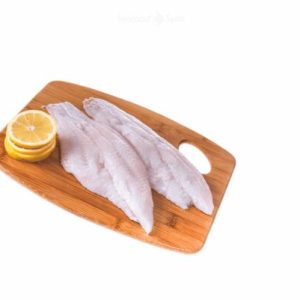
Lemon Sole (Sole)
₨ 880 Select options This product has multiple variants. The options may be chosen on the product page -
Sea Water Fish
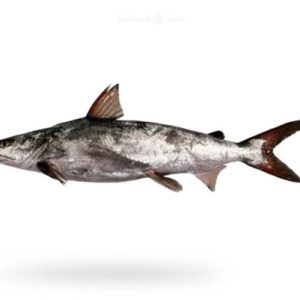
Catfish (Khagga)
₨ 670 Select options This product has multiple variants. The options may be chosen on the product page -
Sea Water Fish
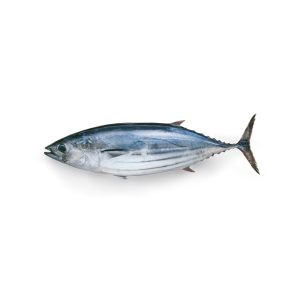
Tuna (Dawan)
₨ 890 Select options This product has multiple variants. The options may be chosen on the product page -
Sea Water Fish
Leather Jacket Fish (Irani Paplet)
₨ 1,150 Select options This product has multiple variants. The options may be chosen on the product page
Reviews
There are no reviews yet.