
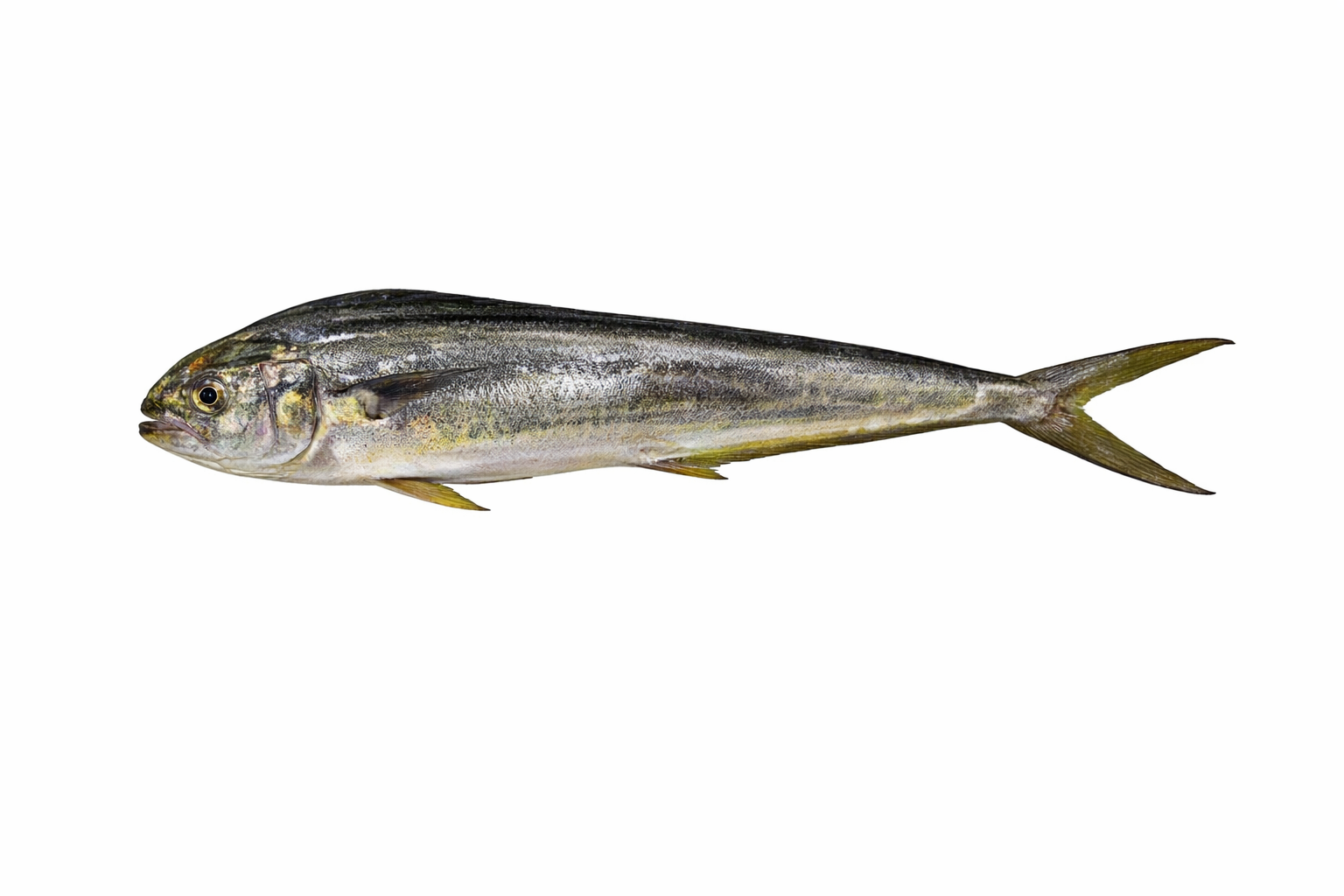
Mahi Mahi (Amloshk)
₨ 890
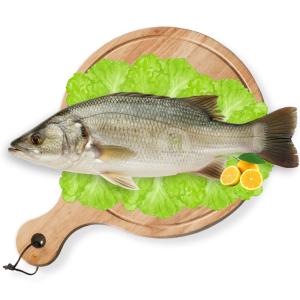
Mahi Mahi (locally known as Amloshk) is a prized fish with firm, tender, light-pink flesh and a subtle, slightly sweet flavor. Known for its versatility, Mahi Mahi can be grilled, sautéed, broiled, or used in tempura. Sourced from tropical and subtropical waters, it is celebrated for its high protein content and mild taste, making it a favorite for seafood enthusiasts
- Please Note: We always aim to deliver the freshest seafish available. However, due to market conditions, there may be times when certain varieties are unavailable. If this happens, we will promptly inform you and offer suitable alternatives or arrange a new delivery time that works for you.
- Please Note: The price of seafish is based on its weight before any cleaning or cutting. The final delivered weight may be slightly less than the initial weight due to cleaning and cutting processes, as certain cuts may result in more wastage than others.
Introduction
The Mahi Mahi, also known as the Dorado or Common Dolphinfish (Coryphaena hippurus), is a strikingly colorful, fast-swimming predator found in tropical and subtropical waters worldwide. Recognized for its vibrant golden-yellow sides and iridescent blue-green back, Mahi Mahi are among the fastest-growing fish, reaching maturity within their first year of life. They are highly prized in both commercial and recreational fisheries due to their challenging fight and delectable, firm-textured meat.
Ecological Role in the Ocean
Mahi Mahi are pelagic fish, meaning they inhabit the open ocean rather than coastal areas. As apex predators, they feed on a wide variety of prey, including smaller fish, squid, and crustaceans. Their hunting behavior helps regulate the populations of these species, contributing to the overall health and balance of the marine food web. Additionally, Mahi Mahi are often associated with floating objects like Sargassum seaweed, which provide shelter and feeding opportunities for juvenile fish.
Habitat, Behavior & Diet
-
Habitat: Mahi Mahi are found in tropical and subtropical waters worldwide, including the Atlantic, Indian, and Pacific Oceans. They prefer offshore areas with floating debris or seaweed, which provide shelter and feeding grounds.
-
Behavior: Known for their speed and agility, Mahi Mahi can reach speeds up to 50 knots (57.5 mph). They are also highly migratory, often moving with ocean currents and following prey availability.
-
Diet: Mahi Mahi are carnivorous, feeding on a variety of prey including flying fish, squid, crabs, and smaller pelagic fish. Their diet varies based on availability and location
Reproduction & Conservation
-
Reproduction: Mahi Mahi are known for their rapid growth and early sexual maturity. They can reach sexual maturity within 4 to 5 months and spawn multiple times per year, producing between 80,000 and 1,000,000 eggs per event. Spawning typically occurs in warm ocean currents, and their larvae are commonly found in association with floating debris.
-
Conservation Status: While Mahi Mahi populations are currently stable, they are subject to fishing pressures. Sustainable fishing practices and effective management are essential to ensure their populations remain healthy.
Physical Traits & Texture
-
Shape: Mahi Mahi have a compressed, elongated body built for speed and agility. They possess a prominent, long dorsal fin that extends from the head almost to the tail fin. Their caudal fins and anal fins are sharply concave.
-
Flesh: The meat of the Mahi Mahi is firm, white, and slightly sweet, offering a rich flavor that is highly regarded in culinary circles. It holds up well to various cooking methods, including grilling, baking, and broiling.
-
Bones: Mahi Mahi have a relatively simple skeletal structure with few bones, making them easier to fillet compared to other fish species. However, care should still be taken during preparation to ensure all bones are removed.
Cutting Options & Approximate Yields
| Cut Style | Approx. Yield | Ideal Use |
|---|---|---|
| Whole (uncleaned) | 100% | Whole roasting or grilling |
| Gutted | 85% | Steaks or fillets |
| Headless & Gutted | 75% | Slices or fillets |
| Boneless Fillets | 45% | Grilling, pan-searing, or baking |
Cooking Ideas – Light, Healthy & Flavorful
-
Grilled Mahi Mahi Steaks: Marinate with olive oil, lemon juice, garlic, and herbs. Grill over medium heat for 4–5 minutes per side to achieve a crispy exterior.
-
Baked Mahi Mahi with Asparagus: Place Mahi Mahi fillets on a baking sheet with asparagus. Drizzle with olive oil, season with salt and pepper, and bake at 180°C (350°F) for 15–20 minutes.
-
Mahi Mahi Fish Tacos: Season grilled Mahi Mahi with taco spices, flake the fish, and serve in soft tortillas with slaw and salsa for a fresh, flavorful dish.
-
Pan-Seared Mahi Mahi with Garlic Butter: Sear Mahi Mahi fillets in a hot pan with butter and garlic until golden brown and cooked through.
Tips for Selecting Fresh Mahi Mahi
-
Eyes: Clear and bright, not cloudy.
-
Flesh: Firm and slightly elastic to the touch, not mushy.
-
Smell: Fresh, ocean-like scent; avoid fishy or sour odors.
-
Skin: Smooth and shiny, with no discoloration or dryness.
Storage Tips
-
Refrigeration: Keep at temperatures below 4°C (40°F) and consume within 1–2 days.
-
Freezing: Store in airtight packaging for up to 3 months.
-
Thawing: Thaw in the refrigerator overnight; avoid thawing at room temperature.
Nutrition Highlights (Approx. per 100g, raw)
| Nutrient | Approx. Value |
|---|---|
| Calories | 85 kcal |
| Protein | 18.5 g |
| Fat | 0.7 g |
| Omega-3 | 0.2 g |
| Vitamin D | 0 µg |
| Calcium | 15-19 mg |
| Iron | 1.13-1.5 mg |
| Potassium | 416-533 mg |
| Cutting Options | Bite-Sized Boneless Finger Pieces, Boneless Biscuits, Boneless Fillet (2 fillet per fish), Custom Cutting (Contact Us), Sliced with Skin & Center Bone |
|---|
Related products
-
Sea Water Fish
Emperor Fish (Mulla)
₨ 1,290 Select options This product has multiple variants. The options may be chosen on the product page -
Sea Water Fish
Tuna (Dawan)
₨ 890 Select options This product has multiple variants. The options may be chosen on the product page -
Sea Water Fish
Tripletail (Dai)
₨ 1,090 Select options This product has multiple variants. The options may be chosen on the product page -
Sea Water Fish
Barramundi (Daangri)
₨ 1,690 Select options This product has multiple variants. The options may be chosen on the product page
Reviews
There are no reviews yet.